
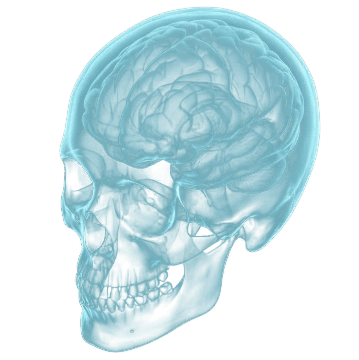




A traumatic brain injury (TBI) often has implications for an individual’s neurology. A moderate to severe brain injury typically causes permanent changes to the structure of the brain and to an individual’s cognitive functions. They may develop many different symptoms and functional limitations because of the TBI.
Many people coping with TBIs also experience mental health challenges. People often become depressed when they can no longer do what they once could achieve and when their relationships shift because of their health challenges. They may also become anxious because they struggle to live independently and maintain their employment.
How can those struggling with the mental health consequences of a TBI overcome the challenges they face?
With professional support
Research has found that individuals with TBIs may respond to counseling and therapeutic services even decades after sustaining their initial injuries. The support provided in a counseling session can help people obtain skills that improve their daily lives.
They can process their grief and difficult emotions in a safe environment. Finding the right counselor or therapist is therefore very important for the individual adjusting to life with a TBI. They need someone capable of working with them where they are at, handling silence well and learning that resistance can be a symptom of the TBI rather than an indicator that the patient is uncooperative.
With patience and persistence
Those with brain injuries may have difficulty adjusting to the changes in their mood, personality and relationships. They may be their own worst critics. They need to find new tools for communicating and self-regulating. They also need to make a commitment to their own healing.
That commitment involves not just going to counseling but also being gracious about their own mistakes, shortcomings and failures. Frequently, those experiencing mental health consequences after a TBI need both medical and mental health support.
While the brain usually does not physically heal from the damage generated by a TBI, people can treat the mental health consequences of their injuries. They can also learn new coping mechanisms and interpersonal skills to help them adjust to life with a TBI.
Securing adequate compensation after acquiring a brain injury can make it easier for people to get the support services they require. Seeking compensation from the business or individual responsible for causing the TBI can make it easier for the injured person and their family members to afford various forms of support, including in-home assistance and mental health counseling.
Credentials






Get Started
Speak With an Experienced Workers’ Compensation Lawyer.
If you’ve been injured at work and need clear answers about your rights, benefits, or medical care, we’re here to help.
You may also contact us directly at 619-369-3323.